Zelda: Ocarina of Time Remake – 10 Things to Know Before Playing
New to Zelda or returning to Hyrule? Here are 10 things to know about Ocarina of Time on Nintendo Switch 2, from dungeons and music to new controls.
The Legend of Zelda: Ocarina of Time is returning on Nintendo Switch 2, and you don't have to be a longtime Zelda fan to enjoy it. The original Nintendo 64 adventure became famous for the way it combined exploration, puzzle-filled dungeons, memorable characters, and music that could change the world around you. The remake brings that adventure to a new audience with rebuilt visuals, modern camera controls, improved movement, voiced story scenes, and orchestral music.
But if your only experience with Zelda is Breath of the Wild or Tears of the Kingdom, Ocarina of Time may surprise you. It's a more structured adventure, and knowing how it works can make the opening hours much more enjoyable.

Hyrule Field in the Switch 2 remake. The familiar landscape now has far more detail, while Link's journey remains the focus.
Here are ten things worth knowing before you set out with Navi.
1. It's a remake of the 1998 adventure, not a completely different Zelda game
Ocarina of Time begins with a young Link living in Kokiri Forest, a secluded home among the trees. Before long, a much larger threat draws him into Hyrule, where he meets new allies, explores unfamiliar regions, and finds himself caught up in Ganondorf's plans for the kingdom.
The Nintendo Switch 2 game has been rebuilt visually, but the appeal goes much deeper than seeing an old setting with modern textures. Hyrule is a world of connected places. You learn what makes each area special, discover how its residents fit into the story, and gradually gain the skills and equipment to move farther into the adventure.
For returning players, recognisable locations and story moments should feel familiar, even though some details and interactions have been expanded. For newcomers, there's no homework required: the journey introduces its world as you play.
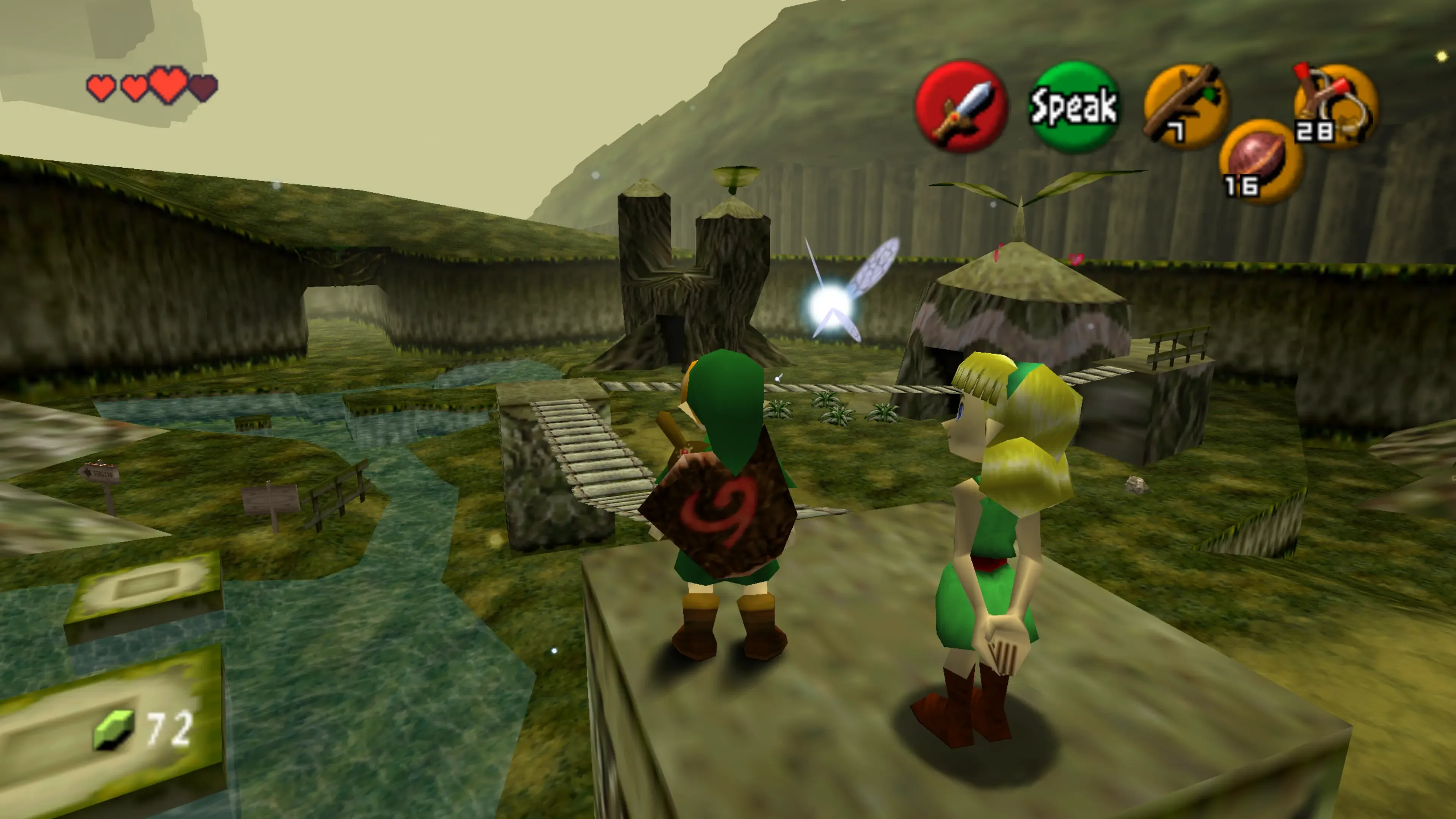
Original Nintendo 64 game: Kokiri Forest, where Link's adventure begins.
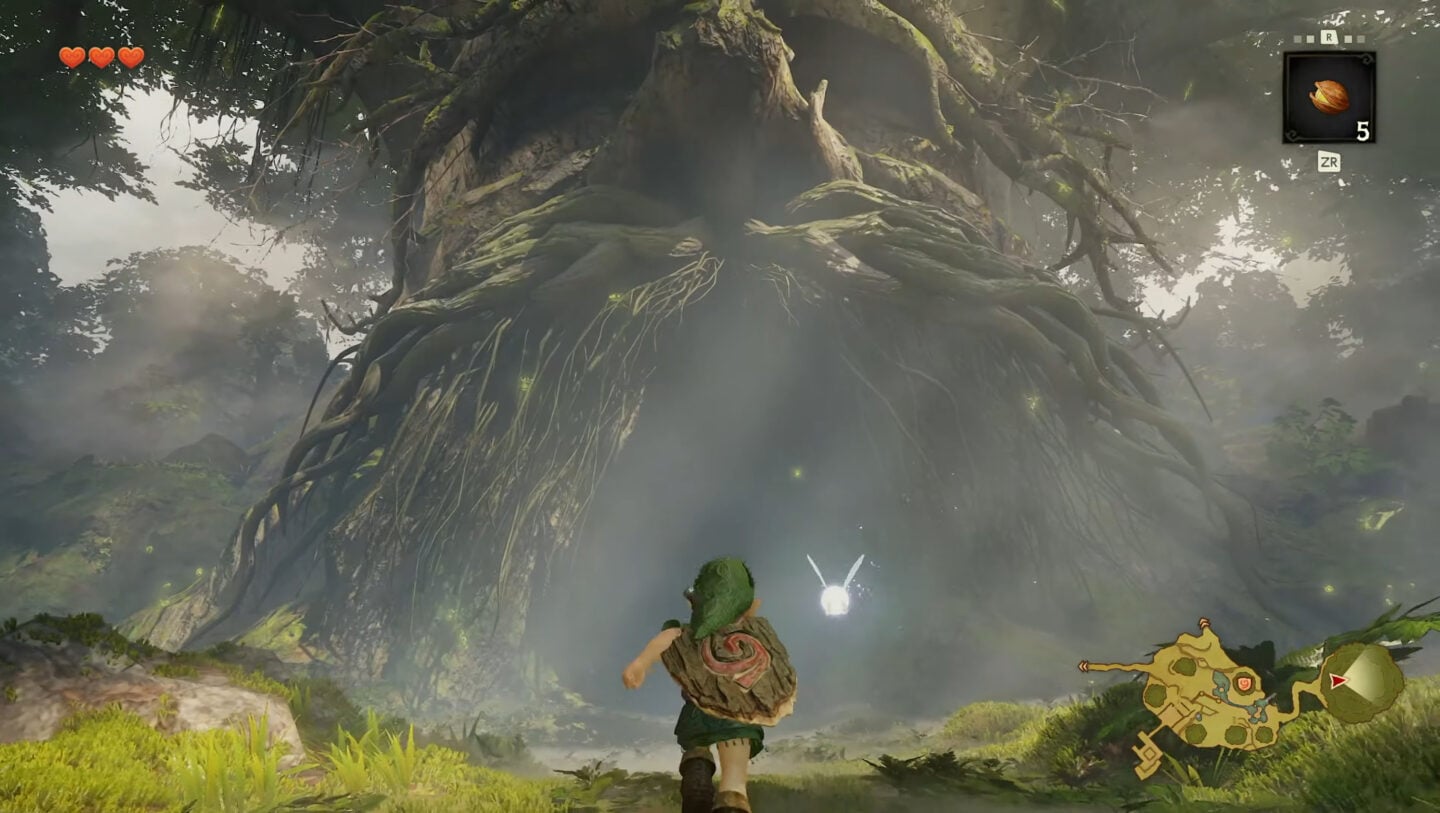
Switch 2 remake: the Great Deku Tree and the forest have been recreated with a very different level of environmental detail.
2. Don't expect Breath of the Wild's open-ended progression
Ocarina of Time rewards curiosity, but it doesn't give you the same freedom to tackle its entire main quest in almost any order. Its adventure is built around important story events, dungeons, and items that open the way to new places.
At first, a blocked path or an unreachable ledge might seem like a puzzle you ought to solve immediately. Often, the answer is simpler: you haven't found the right item or learned the right ability yet. Coming back later is a normal part of the experience.
That also gives the game a satisfying sense of growth. A tool earned in one dungeon might let you uncover a secret somewhere you visited hours earlier. If you hit a dead end, remember the location and keep exploring rather than assuming you've missed an obscure trick.
Before you play: Think of Hyrule as a connected adventure with meaningful milestones, not a giant checklist you need to clear from the start.
3. The ocarina is an essential tool, not just a musical extra
Music is one of the defining ideas behind Ocarina of Time. Link learns melodies during his journey, and those songs can help with travel, story events, puzzles, and other interactions. A tune that seems simple when you first learn it can become important much later.
In the original game, songs were performed using controller inputs. The remake keeps the idea of learning and playing melodies, while also letting you hum a learned tune or play it on a real instrument for the Switch 2 microphone to recognise.
The smartest habit is to pay attention whenever the game teaches you a song. Remember what the melody is associated with and where you learned it. If an area seems to react to music, it's worth experimenting with songs you've already unlocked.
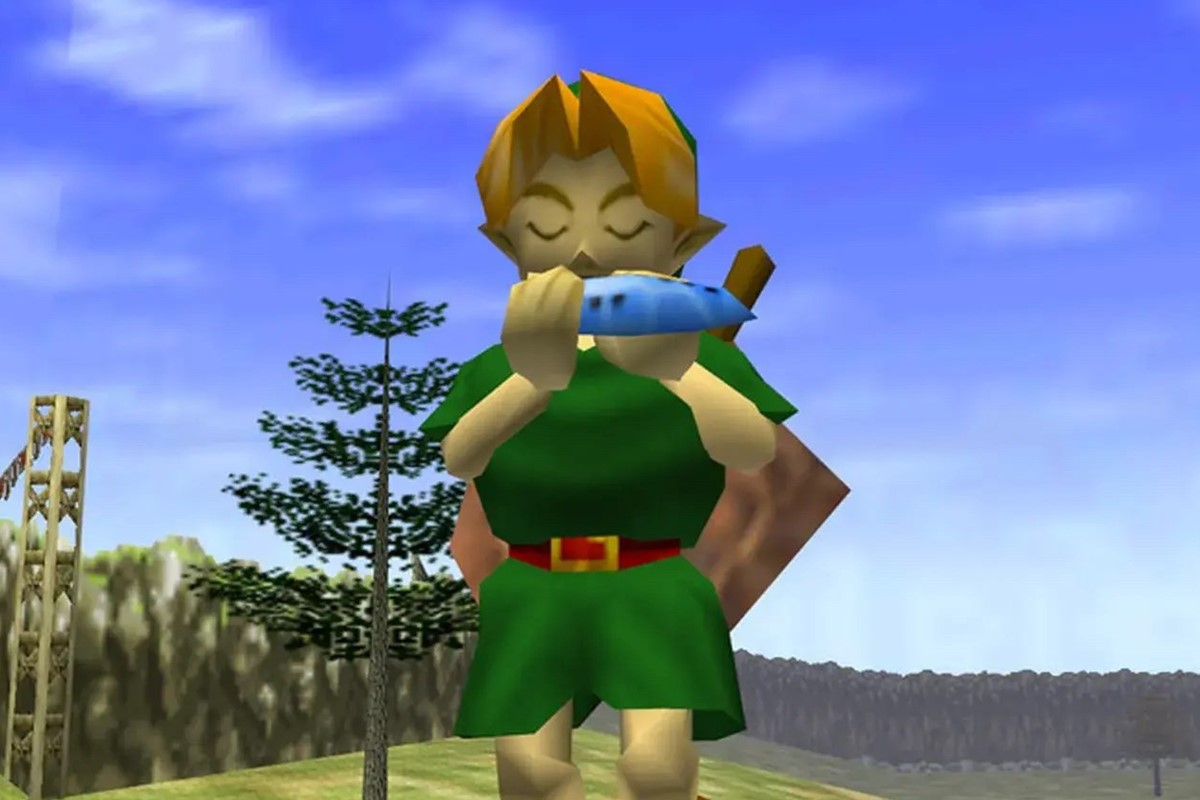
Original Nintendo 64 version: playing the ocarina is part of solving problems and progressing through Hyrule.

Switch 2 remake: the ocarina returns with a new presentation and optional microphone interaction.
Before you play: Don't ignore the ocarina after a story scene. Keep track of the songs you learn and what each one is useful for.
4. Time is central to how the world and story work
The word time in the title isn't decorative. Link's journey involves different periods of his life, and the way Hyrule changes is a major part of both the story and the gameplay.
Without giving away the important moments, the same places can offer different opportunities depending on when you visit them. Characters, obstacles, and paths may not remain exactly as you remember. The adventure encourages you to think about what has changed, rather than treating an area as finished after your first visit.
This is also one of the game's most memorable storytelling ideas. Exploring a familiar location under different circumstances can reveal as much about Hyrule as a big cutscene does.
Before you play: If you remember a useful location or an unresolved problem, don't forget about it when the story moves forward. Revisiting places is part of the journey.
5. Hyrule is worth exploring between major objectives
The story gives Link a direction, but some of the most enjoyable discoveries happen when you take a detour. Villages, ranches, forests, mountains, and lakes all have their own characters and secrets, with optional activities sitting alongside the main adventure.
The original game offered collectible upgrades, side quests, hidden areas, and activities that rewarded looking beyond the obvious route. We should wait until release to confirm every individual collectible's location in the remake, but the broader advice holds: take opportunities to explore, speak to people, and pay attention to unusual-looking places.
A good approach is to spend a little time exploring whenever you reach a new region. Make a note of anything you can't access yet. Later, after getting a new piece of equipment, those early observations may become useful.

Original Nintendo 64 game: Hyrule Field connects many of the adventure's key regions.
Before you play: Talk to nearby characters before leaving a new area. Small conversations can point you toward worthwhile discoveries.
6. Dungeons test observation more than reflexes
Combat matters, but Zelda's dungeons are designed around understanding the space you're in. A room may contain a puzzle that changes another room, a locked door that requires a key, or a mechanism you won't be able to use until you find the dungeon's main item.
The trick is not to rush. Look at the walls, ceilings, doors, and the objects placed around you. If you've explored several rooms without making progress, consider what has changed since you last passed through them. A solution can involve the dungeon as a whole, rather than the room you're standing in.
The Water Temple from the original is particularly well known for testing players' sense of direction. The remake brings a modern presentation to dungeon exploration, but the real satisfaction still comes from understanding the puzzles yourself.
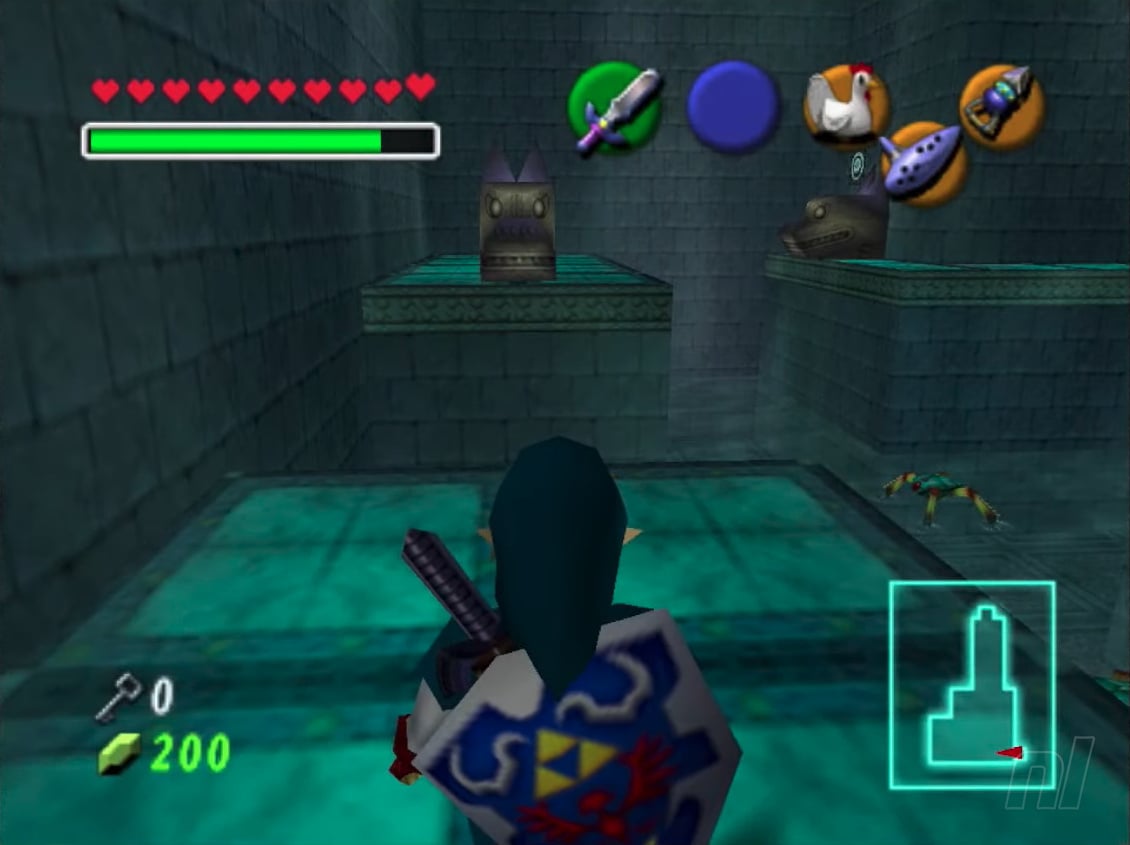
Original Nintendo 64 game: a room in the Water Temple. Keeping track of layout and key use is part of the challenge.

Switch 2 remake: one of the water-filled temple areas shown ahead of launch. These are illustrative scenes, not a matching camera-angle comparison.
Before you play: If you're stuck, first check for an unexplored door, a missed interaction, or a new way to use an item you already have.
7. Movement and camera controls have changed significantly
The original's movement and camera were built around the Nintendo 64 controller. The remake provides a more modern way to move through Hyrule, including a freely adjustable camera, manual jumping, and dashing.
That last point is especially important for returning players. In the original, Link usually jumped automatically when running off suitable ledges. Having an actual jump input changes how it feels to approach obstacles, while more flexible camera movement should make it easier to inspect your surroundings.
It's worth learning these controls early rather than immediately relying on old habits. Spend a few minutes experimenting with movement in a safe area, turn the camera while exploring, and get used to the difference between a quick dash and careful positioning.
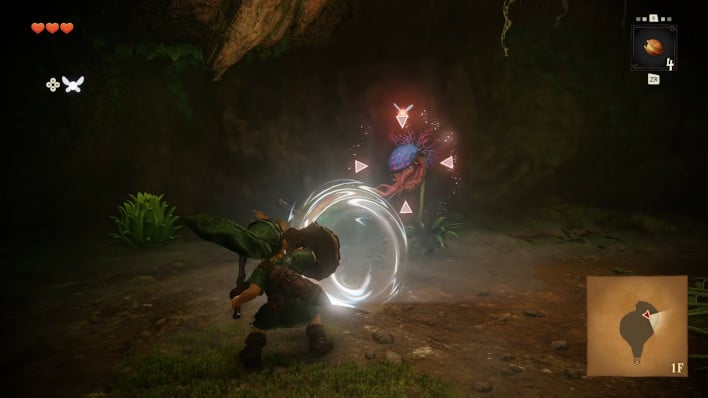
Switch 2 remake: modern targeting and movement are visible in early combat footage.
Before you play: Get comfortable with the camera and movement buttons before you reach your first difficult puzzle or boss encounter.
8. Familiar moments will look and sound different
Ocarina of Time's identity has always depended on more than its mechanics. The contrast between peaceful villages, mysterious forests, grand temples, and darker corners of Hyrule is what makes the journey memorable.
The remake brings rebuilt environments, fully voiced cutscenes, expanded character dialogue, and symphonic orchestral music. Those changes can make well-known moments feel different even when their purpose in the story stays the same. A character who originally spoke through short text boxes may now have a more expressive scene, while a recognisable melody gets a richer arrangement.
Longtime fans may notice the changes most in quiet moments: entering a familiar settlement, listening to a tune, or seeing an old location with a new sense of scale. New players get to experience those scenes without needing to imagine past hardware limitations.
Before you play: Leave room to enjoy the quieter moments. Ocarina of Time is as much about atmosphere and discovery as it is about reaching the next dungeon.
9. The remake has new activities outside the main quest
The Hall of Fallen Heroes adds another reason to pay attention to defeated enemies. It houses statues of monsters Link has overcome, lets you learn about them, and provides rematch battles. That makes it an interesting destination for players who want another attempt at a memorable fight rather than replaying the entire adventure.
There's also ZELDA NOTES, a companion experience in the Nintendo Switch App on compatible phones. For Ocarina of Time, it offers additional activities such as reviewing achievements, finding in-game locations from images, and using a virtual ocarina. Some functions require a compatible phone, a Nintendo Account, and an internet connection.
Amiibo support is included as well. Existing Zelda-series amiibo provide useful in-game rewards, while two new Ocarina of Time figures planned for 2027 will unlock special masks.

Switch 2 remake: a monster encounter from preview imagery. The Hall of Fallen Heroes lets players revisit battles, though this screenshot is not presented as a Hall menu image.
Before you play: If you enjoy boss battles, collectibles, or keeping track of your progress, don't overlook the extra features outside the main quest.
10. You can start here without playing another Zelda first
Ocarina of Time has an important place in the Zelda series, but it works as a standalone introduction. The game teaches you who Link is, why Hyrule is in danger, and what you need to do as the adventure unfolds. You don't have to understand the wider Zelda timeline to follow the story.
If you're coming from a newer Zelda game, the biggest adjustment will probably be the structure. You'll be following a more directed adventure with carefully designed dungeons instead of finding your own route through an enormous, open-ended world. That's not a drawback; it's a different kind of Zelda experience, with satisfying moments built around unlocking the next part of Hyrule.
If you played the Nintendo 64 version years ago, try to resist racing from memory alone. Revisit familiar places, test the revised controls, and pay attention to expanded interactions. Part of the remake's appeal is discovering what feels familiar and what has changed.
Before you play: You don't need a Zelda history lesson. Start with an open mind, take your time, and let Hyrule introduce itself.
Quick answers for new players
Do I need to play earlier Zelda games first?
No. Ocarina of Time tells its own story and introduces its setting and characters along the way.
Is Ocarina of Time an open-world game like Breath of the Wild?
Not in the same sense. Hyrule has connected regions and optional discoveries, but the main story follows a more structured sequence of objectives and dungeons.
Can I play the ocarina without using the microphone?
The remake includes conventional in-game ocarina controls as well as microphone-based interaction. You don't need to own a real musical instrument to enjoy the adventure.
Is the Hall of Fallen Heroes part of the original game?
No. It's a new feature in the Switch 2 remake that lets you learn about defeated monsters and fight them again.
When does the remake release?
The Legend of Zelda: Ocarina of Time launches on 5 November 2026, exclusively for Nintendo Switch 2.
Final thoughts
The best way to approach Ocarina of Time is to treat it as an adventure about learning the world. Pay attention to new songs, make time for detours, remember places you can't yet reach, and let the dungeons challenge your curiosity.
The remake updates how the game looks, sounds, and controls, but its biggest attraction remains the same: a connected world that gradually becomes more understandable as Link grows. Whether you're visiting Hyrule for the first time or returning after years away, there is plenty to discover.
Image credits and source pages: Screenshots depict Nintendo's original Nintendo 64 game and the 2026 Nintendo Switch 2 remake. Copyright in the games and their visuals belongs to Nintendo and the respective rights holders. Image links are hosted by third-party publishers and may change. Sources include Nintendo Life – Switch 2 imagery, VGC – Great Deku Tree, IGDB – original Kokiri Forest, Zelda Universe – original Hyrule Field, Dazed – original ocarina, HotHardware – remake combat, and GAMERGEN – remake temple.